Holistic Dental Clinic in the Heart of Cape Town
Clear Aligners in Cape Town
Advanced, minimally invasive dentistry designed to restore health, function, and confidence.
✔ Spa-like environment
✔ A comfort-first approach that prioritises your well-being
✔ In-house lab & advanced digital diagnostics
✔ Minimally invasive treatment
✔ Whole-body health approach
✔ Long-term functional outcomes
Clear Aligners in Cape Town
Straighten Your Teeth Without Metal Braces
If you've been thinking about straightening your teeth but don't want traditional braces, clear aligners offer a discreet, comfortable, and highly effective solution.
At Trust Dentistry, we use advanced clear aligner systems to correct crowded teeth, gaps, bite problems, and misalignment while fitting seamlessly into your daily life.
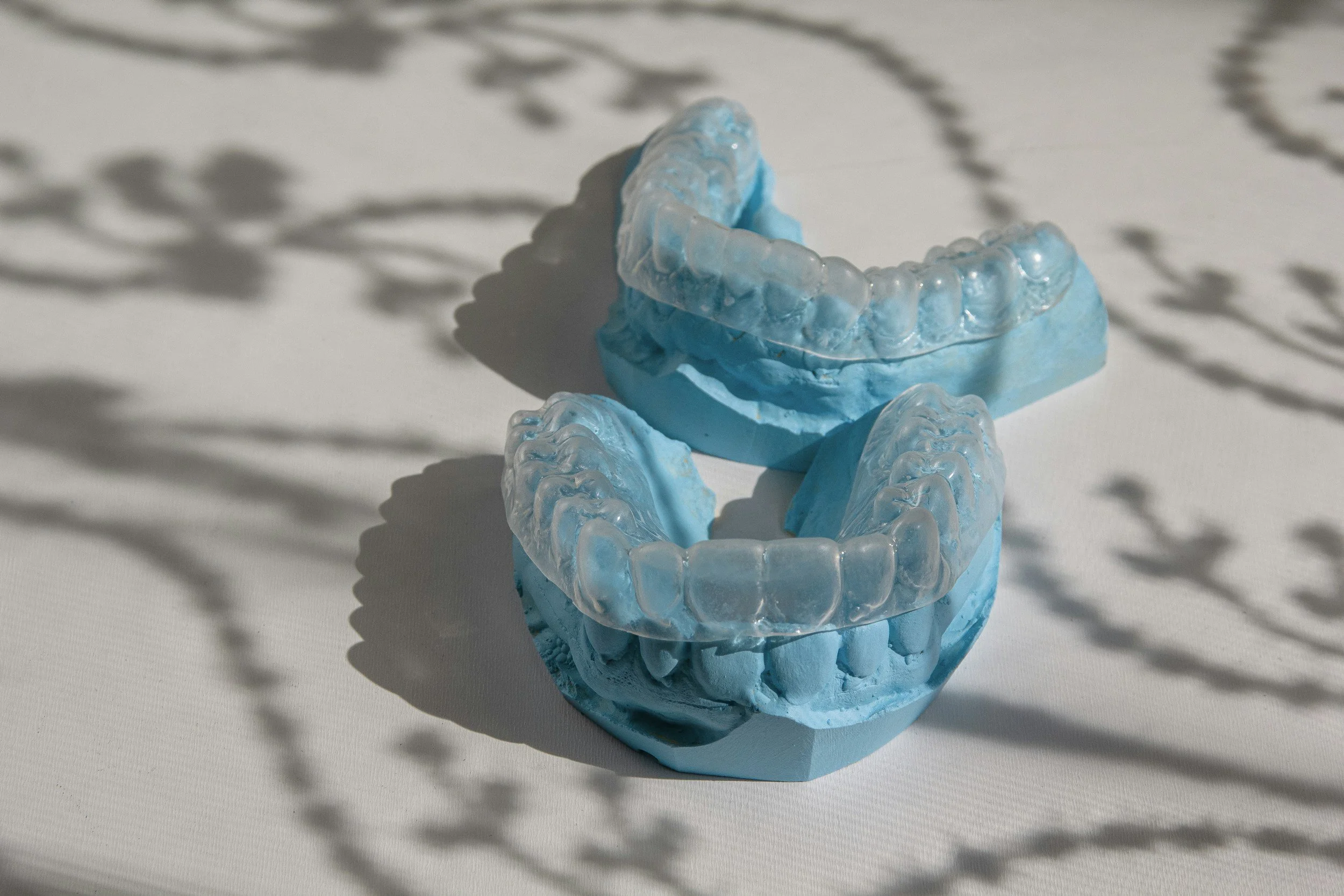
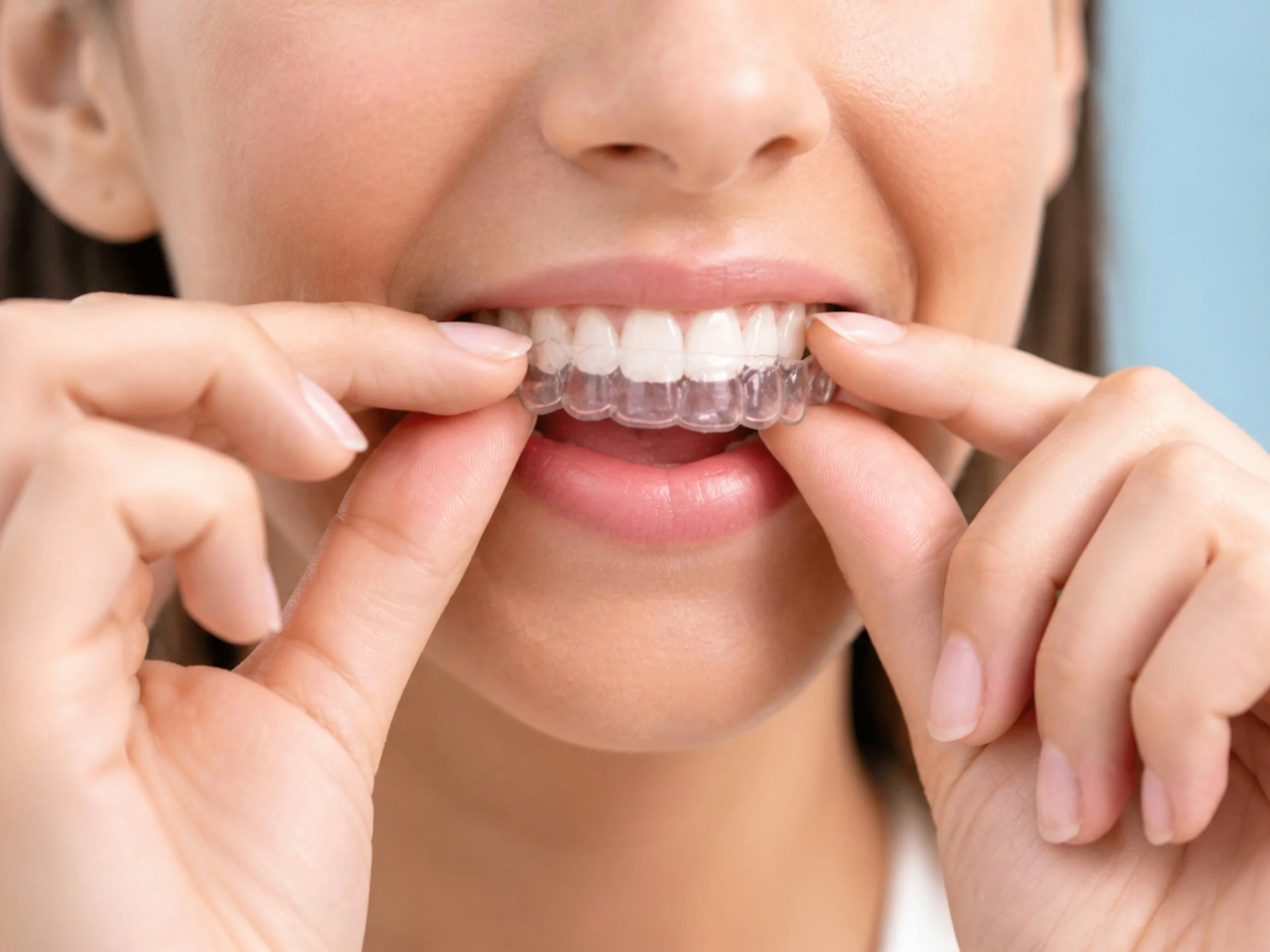
Unlike metal braces, clear aligners are nearly invisible, removable for eating and brushing, and designed using precise digital treatment planning. This means you can improve your smile without the appearance or inconvenience of traditional orthodontics.
Why Straight Teeth Matter
More Than Just Aesthetic Improvements
Many people choose clear aligners to improve the appearance of their smile, but the benefits often extend far beyond aesthetics. Crowded, overlapping, or poorly aligned teeth are harder to clean and put uneven pressure on your bite, which can affect your oral health over time:
Harder to clean: Misaligned teeth increase the risk of plaque build-up, gum inflammation, and tooth decay.
Uneven bite forces: When some teeth work harder than others, it can lead to excessive wear, chipping, fractures, and strain on the teeth and jaw.
A healthier balance: Better tooth position and bite alignment make oral hygiene easier and support the long-term health of your teeth and gums.
At Trust Dentistry, we view orthodontic treatment as part of a bigger picture. Every treatment plan is designed not only to improve the appearance of your smile, but also to support function, longevity, and overall oral health.
A straighter smile is often the beginning of a healthier one.
Your Clear Aligner Journey
Precision Planning. Predictable Results.
At Trust Dentistry, successful orthodontic treatment starts with understanding the whole picture.

Step 1: Comprehensive Assessment
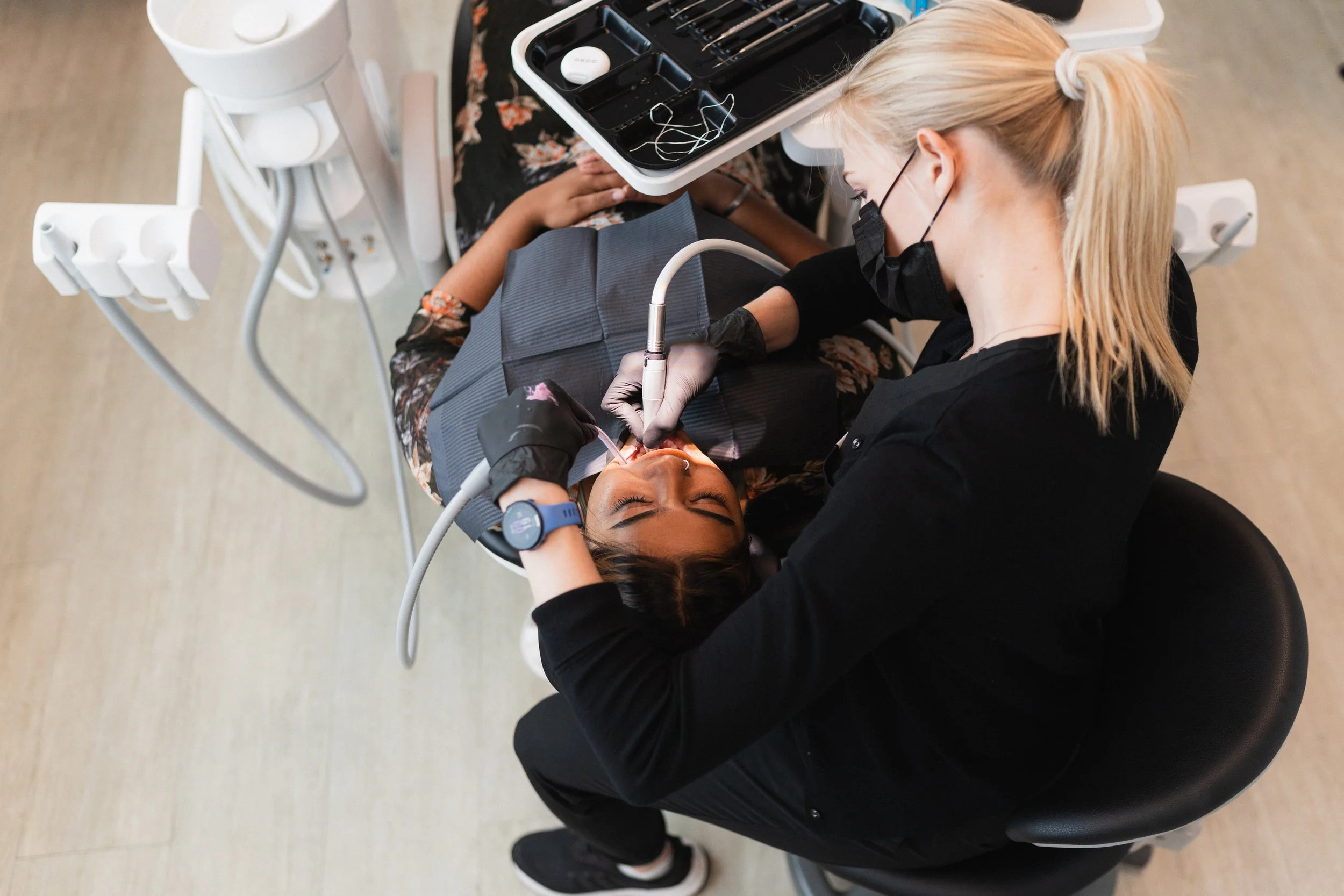
Your journey begins with a Comprehensive Oral Health Assessment (COHA), where we evaluate your teeth, gums, bite, oral health, and treatment goals. This allows us to determine whether clear aligners are the right solution for you.
Step 2: Digital Smile Planning
Using advanced digital scans, we create a precise 3D model of your teeth and develop a customised treatment plan. You'll be able to see how your smile is expected to change before treatment even begins.

Step 3: Begin Treatment
Your custom clear aligners are fabricated and fitted. Each aligner gently moves your teeth into a healthier, more functional position while remaining comfortable and discreet.
Step 4: Monitor Progress
Throughout treatment, we'll schedule regular reviews to ensure everything is progressing according to plan and make any adjustments if required.

Step 5: Protect Your Results
Once your treatment is complete, retainers help maintain your new smile and protect the results you've worked hard to achieve.
-
The cost of clear aligners depends on the complexity of your case and the length of treatment required. Following your consultation, we will provide a personalised treatment plan and quotation.
-
Yes. Flexible payment options may be available depending on your treatment plan. Our team will discuss these options during your consultation.
-
Absolutely. Many of our clear aligner patients are adults looking to improve their smile, correct tooth wear, or address bite issues without the appearance of traditional braces.
-
Clear aligners are removable, virtually invisible, and designed using digital treatment planning. Traditional braces use fixed brackets and wires that remain attached to the teeth throughout treatment.
-
Yes. Every patient begins with a comprehensive assessment to determine whether clear aligners are the most appropriate treatment and to create a customised treatment plan.
-
The cost of clear aligners in South Africa varies depending on the complexity of the case, the number of aligners required, and the duration of treatment. Following your consultation, we will provide a personalised treatment plan and detailed quotation.
-
The cost of clear aligners in South Africa varies depending on the complexity of the case, the number of aligners required, and the duration of treatment. Following your consultation, we will provide a personalised treatment plan and detailed quotation.
-
In some cases, clear aligners may cost more than traditional braces due to the advanced digital planning and custom manufacturing involved. However, many patients find the comfort, convenience, and aesthetics worth the investment.
FAQ’s
-
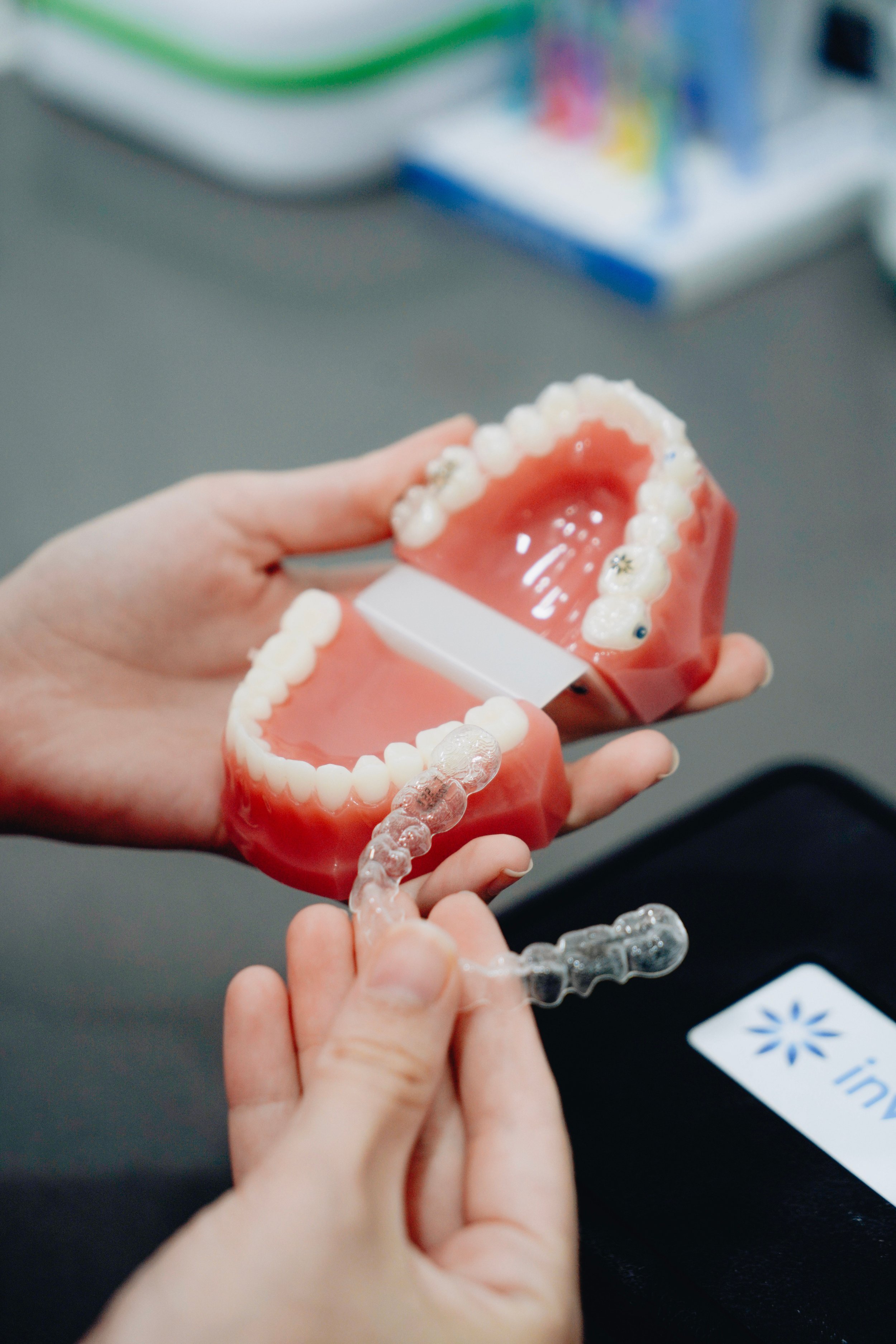
Clear aligners are custom-made, removable trays that gradually straighten teeth without the need for traditional metal braces. They are designed to correct crowding, spacing, and many bite-related issues.
-
Clear aligners apply gentle, controlled pressure to move teeth into their ideal position over time. Each set of aligners is worn for a specific period before progressing to the next stage of treatment.
-
For many mild to moderate orthodontic cases, clear aligners can be just as effective as traditional braces while offering greater comfort and aesthetics.
-
Treatment times vary depending on the complexity of the case. Many patients complete treatment within 6 to 18 months, although some cases may be shorter or longer.
-
Clear aligners can be used to treat crowded teeth, gaps between teeth, overbites, underbites, crossbites, and certain forms of tooth wear caused by poor tooth positioning.
-
Most patients experience mild pressure when changing to a new aligner. This is a normal sign that the teeth are moving and is generally far more comfortable than traditional braces.
-
For optimal results, aligners should typically be worn for 20–22 hours per day and removed only for eating, drinking, brushing, and flossing.
-
Aligners should be removed when eating and when drinking anything other than water. This helps protect both the aligners and your teeth.
What is Digital Smile Design?
The entire smile ‘makeover’ process at Trust is digitally led using Digital Smile Design (DSD). With DSD, we photograph, video and measure your smile in motion. Then we model proportional, face-matched changes and show you a realistic preview. You’ll know what’s possible, what’s not, and the least invasive way to get there.
✓ See it before we do it
✓ Plan to protect enamel
✓ Align function + aesthetics
✓ Clear timelines and staggered costs
Orthodontics at Trust
Straight teeth are only part of the story. Our dentists plan alignment around bite, airway and gum health, so results look good, feel comfortable, and last. We use clear aligners for most adult cases, and traditional braces when biomechanics demand more control — always with a function-first plan that protects enamel and supports easy cleaning.
Which is right for me?
Both traditional braces and clear aligners can achieve excellent results. We’ll recommend the option that matches your bite, lifestyle and goals.
Clear aligners at Trust
Our preferred system is ClearCorrect, due to its precise staging and comfortable trays. We’re also developing an in-house aligner option for selected cases — giving us even tighter control from scan to finish. Whichever path you choose, your plan is specialist-designed, integrates with whitening and minor bonding when needed, and ends with a retainer strategy you can stick to.
FAQs
-
A: Many adult cases suit aligners, especially spacing, relapse and mild–moderate crowding. If your bite needs complex rotations or vertical changes, the specialist may recommend braces or a hybrid plan.
-
A: Reviews are typically every 6–8 weeks. Aligners sometimes allow remote check-ins; braces require in-chair adjustments.
-
A: Yes. Retention is non-negotiable for stability. We’ll advise fixed, removable, or a combination.
From alignment to refinement
Once gums are calm and the bite is balanced, we finish with the lightest possible touch. Sometimes alignment and whitening are all you need. When edges, symmetry or long-term stain still need a hand, we refine shape with veneers or precise composite work — planned in DSD so you can see it before we do it.
This next step is about protection as much as perfection: preserving enamel, matching your face, and keeping maintenance simple. Below is how we choose between porcelain and composite, based on biology, lifestyle and budget.
Porcelain vs Composite Veneers
Both restorative options can look beautifully natural. We choose the material that protects enamel, fits your bite, and meets your timeline and budget.
-
Porcelain Veneers
• Look & translucency: Closest to natural enamel; excellent light reflection.
• Durability: High strength and stain resistance; typical longevity 10–15+ years with care.
• Tooth preparation: Usually minimal; preserves as much enamel as possible.
• Maintenance: Routine hygiene and occasional polishing; chips are rarer but repairs may require a lab remake.
• Best for: Larger shape changes, deep discoloration, closing spaces, rebuilding worn or uneven edges with long-term stability.
• Timeline: Usually two visits after planning (prep + try-in/fit).
• Cost: Higher upfront; lower long-term maintenance.
-
Composite Veneers (Bonding)
• Look & finish: Highly aesthetic in skilled hands; slightly less translucent than porcelain.
• Durability: Good day-to-day performance; more prone to stain and wear; typical longevity 4–7+ years.
• Tooth preparation: Often no-prep or micro-etch only; fully reversible in many cases.
• Maintenance: Quick to repair or refresh; periodic polishing keeps them bright.
• Best for: Small chips, edge repairs, mild asymmetry, budget-friendly makeovers, or testing shapes before porcelain.
• Timeline: Often a single visit.
• Cost: Lower upfront; may need refresh over time.
What Does it Cost?
We price each step separately so you can move at your own pace. Many patients start with cleaning and whitening, then add aligners or bonding; others go straight to porcelain veneers after alignment. You’ll receive a written plan with itemised fees at your consultation.
FAQs
-
A: Veneers are thin custom shells that cover the front surface of a tooth to change its colour, shape, size or alignment. At Trust Dentistry in Cape Town we use two main types: porcelain veneers and composite veneers. Porcelain is made by a dental lab from strong, glass-ceramic materials; composite veneers (often called composite bonding) are sculpted directly on the tooth using tooth-coloured resin. Both options can produce natural results when they’re planned around your bite, gums and face. We usually begin with a Comprehensive Oral Health Assessment™ (COHA) and Digital Smile Design (DSD) so you can preview changes and choose the least invasive path before treatment starts.
-
A: “Better” depends on goals, biology and budget. Porcelain veneers offer the most enamel-like translucency and the highest stain resistance, with typical longevity of 10–15+ years when cared for. They’re ideal for larger changes (deep staining, cracks, worn edges) and when you want minimal maintenance. Composite veneers are more conservative and often reversible; they’re great for quick improvements (small chips, edge repairs, mild asymmetry) and can be refreshed or repaired easily. Many Cape Town patients choose a staged plan: aligners and whitening first, selective composite bonding where needed, and porcelain only for teeth that truly benefit.
-
A: Veneers pricing varies with material (porcelain vs composite), number of teeth, planning needs (e.g., DSD mock-ups), and any medically necessary care beforehand (gum therapy, fillings, bite adjustments). Composite veneers generally cost less up-front than porcelain; porcelain usually has a higher initial fee but longer service life and lower maintenance. Because every mouth is different, we provide an itemised quote after your smile assessment so you can move step-by-step: alignment if needed, advanced cleaning, whitening, then veneers or bonding only where they add value.
-
A: With good oral hygiene, professional cleanings and a comfortable bite, porcelain veneers typically last a decade or longer; many go well beyond 15 years. Composite veneers last fewer years on average (often 4–7+) because resin can wear or pick up surface stain faster, but they’re easy to repolish or repair. Longevity isn’t just about the material — it’s about planning: we align teeth if needed, calm gum inflammation, and make sure your bite loads each tooth evenly to avoid chips.
-
A: Modern planning aims for minimal or “no-prep” changes where possible. For porcelain veneers, we remove a very thin layer (often less than a millimetre) to make space for the ceramic and protect the gum line; for composite veneers and bonding we frequently work with micro-etching only. We’ll show you a DSD preview and discuss preparation before anything happens, so you know exactly how much (if any) enamel will be reduced.
-
A: Not always. However, minor alignment with clear aligners often reduces drilling, improves gum health, and allows us to use fewer or thinner veneers for the same aesthetic result. During your smile assessment we simulate both paths — “veneers only” vs “align first” — and show cost, time and invasiveness so you can choose the route that makes sense.
-
A: The material is the same; the difference is scope. Composite bonding usually means targeted repairs (chips, small gaps, worn edges) on one or two teeth. Composite veneers describe broader, full-face coverage across several teeth to change overall shape and symmetry. Pricing in South Africa depends on tooth count and complexity; we’ll give you a line-by-line quote after assessment, and you can stage treatment if you prefer.
-
A: A smile makeover is a personalised sequence that may include medically necessary dentistry, aligners, advanced cleaning, professional teeth whitening, and veneers or bonding. We start with COHA™ and DSD to map biology and preview outcomes, then present timelines and costs for each step so you can proceed at your pace. Some patients finish in two visits (whitening + bonding); others include aligners first and complete veneers later for a longer-lasting, minimal-prep result.
-
A: Whitening usually comes before veneers or bonding because colour sets the baseline for the final look. Once we reach your target shade safely (we tailor strength to sensitivity and enamel thickness), we match composite or porcelain to that brighter, natural colour. If you already have veneers that you love but the surrounding teeth darkened, we can whiten the natural teeth to blend with your existing work.
-
A: Expect a planning visit with photos and a DSD preview, then a clear plan for medically necessary care, whitening, and veneer preparation. For porcelain, you’ll typically have two clinical visits after planning: a preparation visit with provisional (temporary) veneers and a fitting visit when the lab work returns; composites are commonly completed in a single sitting. Your “after” is designed to look believable in daylight — matched to your face, lip dynamics and bite, not a generic template.
-
A: Composite veneers and bonding can often be removed or reshaped because they sit on the enamel surface; this gives you flexibility if you want to test shapes first. Porcelain veneers are considered a long-term commitment because some enamel is removed to make space; replacements are straightforward when needed, but “undoing” them back to the original tooth isn’t realistic. Either way, we plan conservatively and only veneer teeth that truly benefit.
-
A: Porcelain resists stain extremely well and keeps its gloss for years; composite can take on surface stain from coffee, tea and red wine faster but polishes back easily. Avoid using teeth as tools (opening packages) and wear a night guard if you clench or grind — this protects edges on both porcelain and composite. Keep a meticulous home routine and book professional oral hygiene visits; our team will give you a simple AM/PM guide and maintenance schedule.
-
A: Most patients return to normal life immediately. Whitening can cause temporary sensitivity that settles within 24–48 hours; composite bonding requires little to no anaesthetic; porcelain prep is comfortable under local anaesthetic and you’ll wear natural-looking provisionals while the lab fabricates your final veneers. Mild tenderness at the gum edge is common for a day or two and responds well to standard analgesics if needed.
-
A: Retail “veneers” or clip-on products aren’t true dental veneers — they’re cosmetic covers that don’t treat underlying issues and can harm gums and enamel if worn regularly. For safe, hygienic and natural-looking results, veneers must be custom-made and fitted by a dentist after an oral health screening. If your budget is tight, talk to us about staged plans: aligners and whitening first, then selective composite bonding; many patients achieve their goal without full veneers.
-
A: Start with the biology and the bite. If edges are chipped, shapes are slightly uneven and you want a quick refresh, composite bonding or composite veneers may be perfect. If you need bigger changes in colour and form with the lowest maintenance, porcelain often wins. When teeth are crowded or flared, clear aligners can reduce or eliminate the need for veneers entirely. Whitening is the simplest first step and sets the shade for any later work. We’ll map scenarios during your smile assessment and recommend the least invasive sequence.
-
A: 1) COHA™ and DSD preview to understand risks and visualise outcomes; 2) medically necessary care to stabilise gums and enamel; 3) alignment if needed; 4) advanced cleaning and professional whitening; 5) porcelain veneers or composite veneers/bonding to refine shape and symmetry. You’ll receive an itemised quote and timeline so you can choose a single step or complete smile makeover. Throughout, we keep the look natural and the preparation minimal.
-
A: When veneers are planned function-first and done conservatively, they protect rather than damage teeth. We preserve maximum enamel, manage gum health, and make sure your bite loads evenly; that’s why aligners or bite adjustments are sometimes recommended before veneers. Problems typically come from skipping medically necessary steps or choosing over-reduction — both are things we actively avoid.
-
A: Cosmetic items like veneers are usually not covered by South African medical aids, but medically necessary treatments (e.g., fillings, gum therapy, root treatments) may be. We separate quotes so you can claim eligible items and see exactly what each cosmetic step costs. Many patients stage their smile makeover over months — whitening and bonding now, alignment next, porcelain only where it truly adds value.
-
A: Begin with a Smile Assessment and COHA™. You’ll get a clear view of your oral health, a DSD preview, and practical options ranging from whitening and composite bonding to porcelain veneers, with transparent pricing for each. From there you can decide on one small step or a full smile makeover — on your timeline, within your budget, and always with a natural, not-overdone look.