

Holistic Dental Clinic in the Heart of Cape Town
Root Canal
Advanced, minimally invasive dentistry designed to restore health, function, and confidence.
✔ Spa-like environment
✔ A comfort-first approach that prioritises your well-being
✔ In-house lab & advanced digital diagnostics
✔ Minimally invasive treatment
✔ Whole-body health approach
✔ Long-term functional outcomes
Root Canal Treatment in Cape Town
Saving Natural Teeth Whenever Possible
A root canal is a highly effective treatment used to save a tooth that has become infected, inflamed, or damaged deep within its structure. Rather than removing the tooth, treatment allows us to eliminate infection, relieve pain, and preserve your natural tooth for many years to come.
At Trust Dentistry, we believe preserving healthy, natural teeth is almost always preferable to replacing them. That's why root canal treatment is often recommended when a tooth can still be predictably restored, even after deep decay, trauma, cracks, or infection. Using advanced imaging, magnification, and evidence-based techniques, the process is far more comfortable and precise than many people expect. We carefully remove infected tissue, disinfect the root canals, and seal the tooth to prevent future infection.
By saving the natural tooth, treatment helps maintain normal chewing function, preserve surrounding bone and tissues, and avoid more complex procedures such as extraction, bridges, or implants. If you're experiencing tooth pain, sensitivity, or swelling, or have been told you may need a root canal, our team can help you understand your options and determine the most appropriate treatment for your long-term oral health.

Why You Might Need a Root Canal
Relieve Pain. Eliminate Infection. Preserve Your Tooth.
Root canal treatment is usually recommended when the soft tissue inside a tooth, known as the pulp, becomes inflamed or infected. This can result from deep decay, a cracked tooth, repeated dental treatment, trauma, or advanced wear:
Signs you may need a root canal: Common symptoms include persistent toothache, sensitivity to hot or cold, pain when chewing, swelling around the tooth, or a recurring abscess. Sometimes there are no symptoms at all, and the problem is only detected during a routine examination or radiograph.
The goal: The primary aim is to remove infection while preserving the natural tooth, helping maintain normal function, avoid extraction, and prevent the complications that arise when a tooth is lost.
A restorative approach: At Trust Dentistry, root canal treatment is viewed as a restorative procedure rather than simply an emergency intervention, often an important step in protecting your long-term oral health.
Your Root Canal Journey
Precision Diagnosis. Comfortable Treatment.
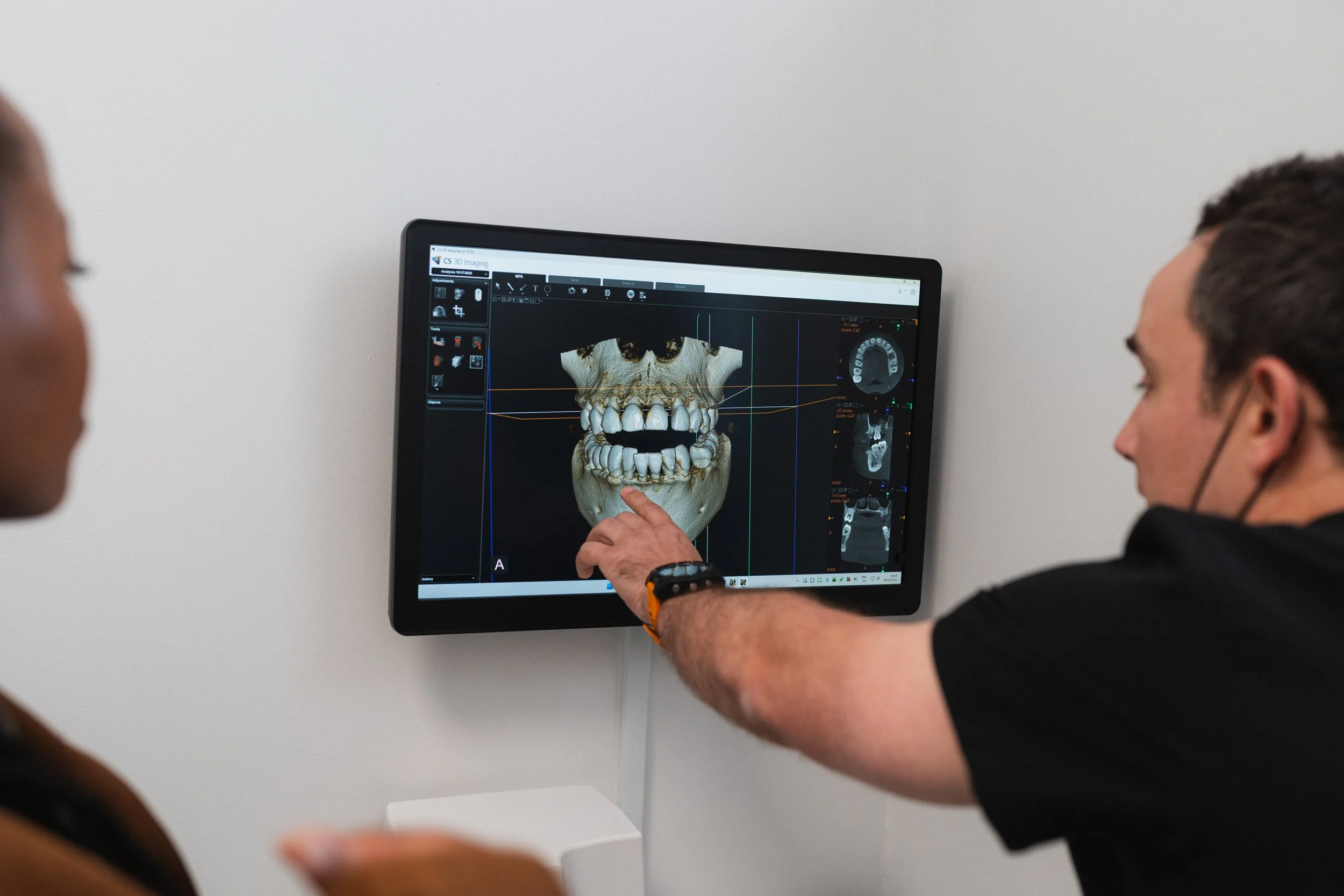
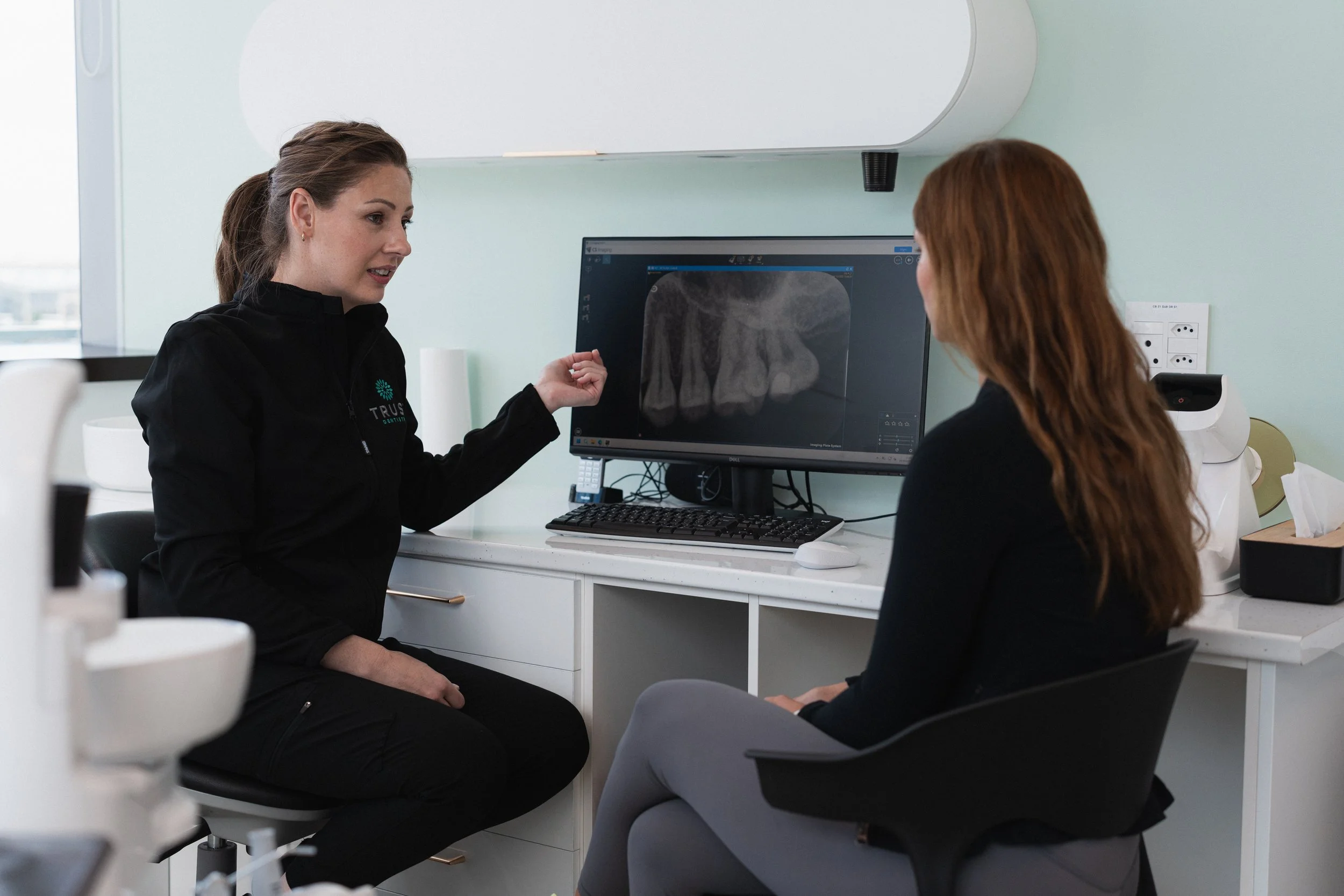
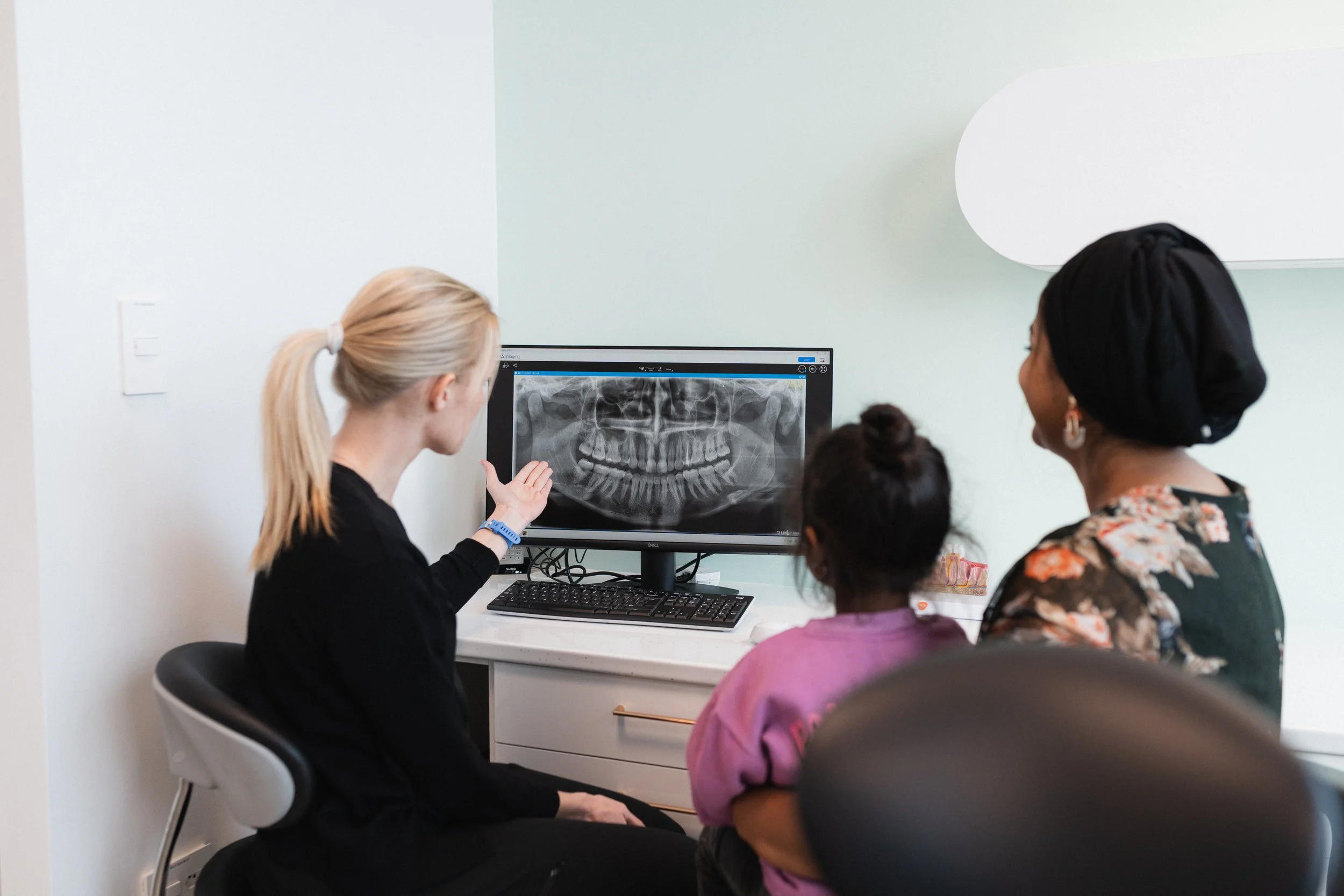
Successful root canal treatment begins with an accurate diagnosis. At Trust Dentistry, we take the time to understand the cause of the problem and determine whether the tooth can be predictably restored before treatment begins.

Step 1
Comprehensive Assessment
Your journey starts with a detailed examination of the affected tooth, including digital radiographs and a thorough assessment of your symptoms, oral health, and treatment options.

Step 2
Diagnosis &
Treatment Planning
Using advanced imaging and diagnostic tools, we identify the source of infection or inflammation and develop a personalised treatment plan. In some cases, we may collaborate with an endodontic specialist for particularly complex cases.

Step 3
Root
Canal Treatment
The infected or damaged tissue inside the tooth is carefully removed, the root canals are disinfected, and the space is sealed to prevent future infection. Modern techniques and local anaesthetic help ensure the procedure is comfortable.
Step 4
Restoring
the Tooth
Following root canal treatment, the tooth often requires a filling, onlay, or crown to restore strength and protect it from future fracture. This is a critical part of ensuring long-term success.

Step 5
Long-Term
Protection
With appropriate restoration, good oral hygiene, and regular dental reviews, a root canal-treated tooth can continue to function comfortably for many years.
FAQ’s
-
A root canal is a treatment used to save a tooth that has become infected or inflamed. The infected tissue inside the tooth is removed, the canals are cleaned and disinfected, and the tooth is sealed to prevent future infection.
-
The cost of a root canal in Cape Town depends on the tooth being treated, the complexity of the case, and whether specialist care is required. A personalised treatment plan and quotation will be provided following your assessment.
-
Root canal treatment costs vary throughout South Africa depending on the location of the tooth, the severity of infection, and whether treatment is performed by a general dentist or endodontic specialist.
-
In many cases, saving a natural tooth with root canal treatment is more cost-effective than extracting the tooth and replacing it with a dental implant. Preserving natural teeth is also generally the preferred biological option whenever possible.
-
Common symptoms include persistent toothache, sensitivity to hot or cold, pain when biting, swelling around the tooth, a dental abscess, or a darkening of the tooth. Some infected teeth may have no symptoms at all.
-
Modern root canal treatment is typically no more uncomfortable than having a filling. Local anaesthetic and modern techniques allow treatment to be completed comfortably and predictably.
-
Yes. The primary goal of root canal treatment is to eliminate infection while preserving the natural tooth. Many root canal-treated teeth continue to function successfully for many years.
-
Most root canal treatments can be completed in one or two appointments, depending on the complexity of the case and the condition of the tooth.
-
Many root canal-treated teeth, particularly back teeth, benefit from a crown or protective restoration after treatment. This helps strengthen the tooth and reduce the risk of fracture.
-
Untreated infection can spread, causing increased pain, swelling, bone loss, and potentially leading to tooth loss. Early treatment often improves the long-term prognosis of the tooth.
-
While root canal treatment has a high success rate, complications can occasionally occur. In some cases, retreatment or specialist endodontic care may be required to resolve persistent infection.
-
Depending on your treatment plan, flexible payment options may be available. Our team can discuss the options available during your consultation.