
Holistic Dental Clinic in the Heart of Cape Town
Composite Bonding
Advanced, minimally invasive dentistry designed to restore health, function, and confidence.
✔ Spa-like environment
✔ A comfort-first approach that prioritises your well-being
✔ In-house lab & advanced digital diagnostics
✔ Minimally invasive treatment
✔ Whole-body health approach
✔ Long-term functional outcomes
Composite Bonding in Cape Town
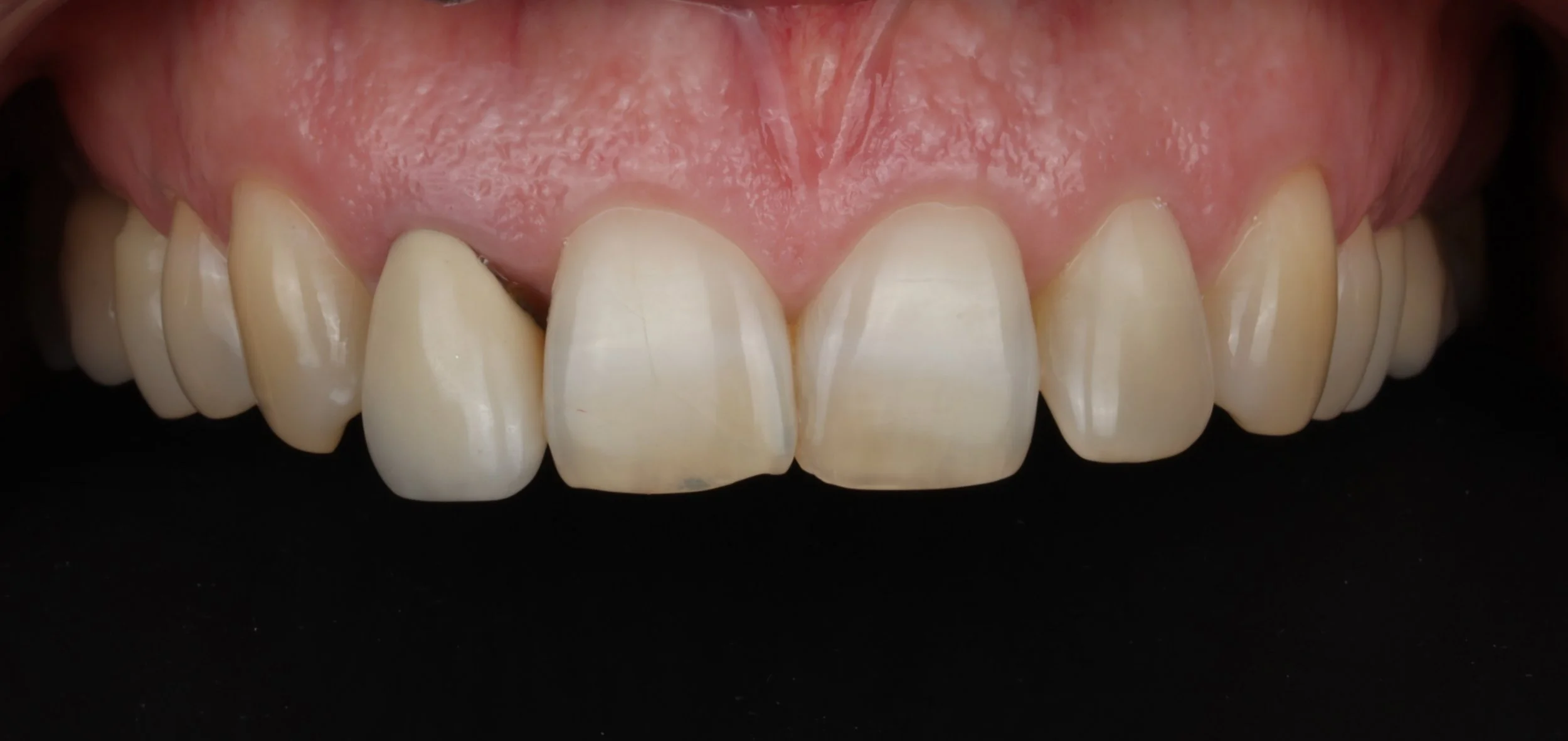
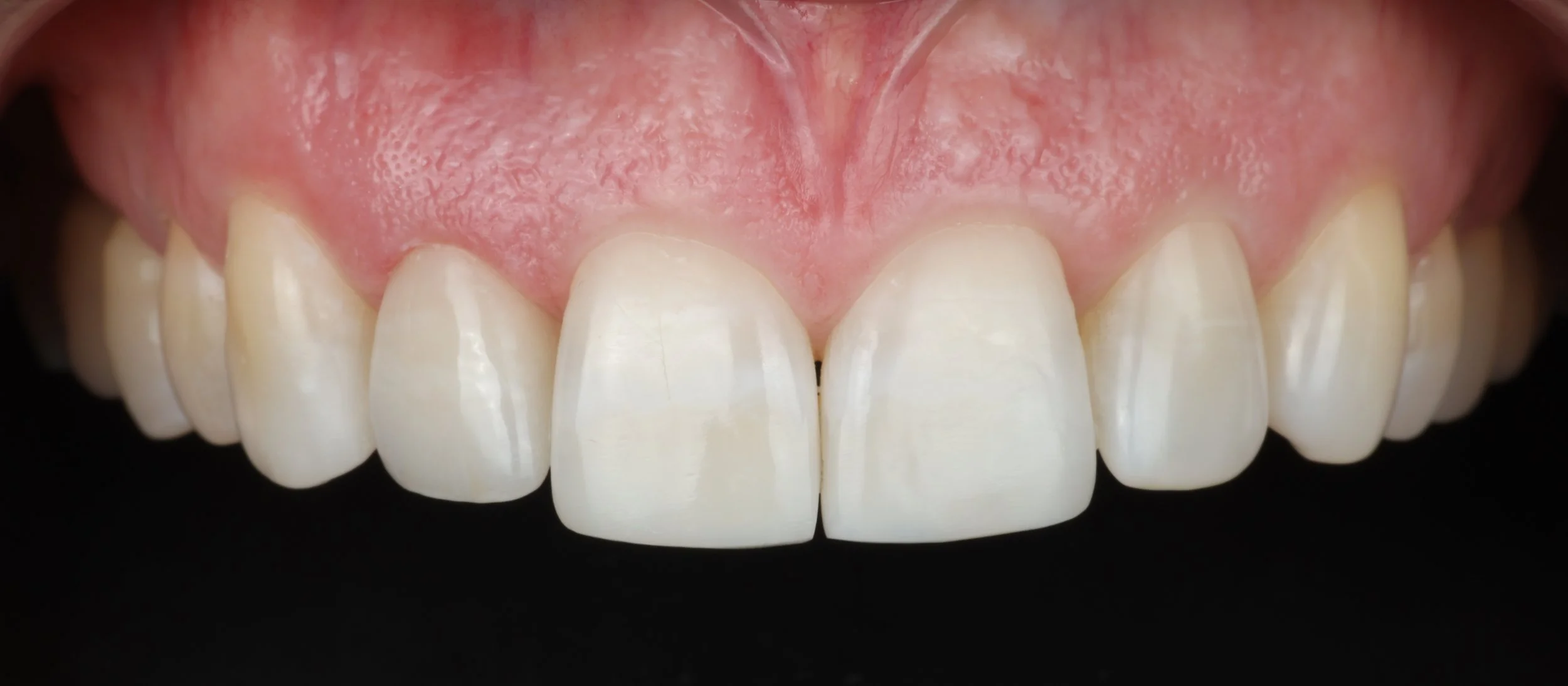
Restore Chips, Wear, and Imperfections Without Drilling
Composite bonding is one of the most conservative treatments in modern dentistry. Using high-quality tooth-coloured resin, we repair, reshape, and restore teeth with little to no removal of healthy tooth structure.
At Trust Dentistry, we use composite bonding to treat chipped or worn teeth, small gaps, uneven edges, discolouration, and minor alignment concerns. It can also form part of a smile makeover or tooth wear rehabilitation plan, restoring both appearance and function. Unlike ceramic veneers, it is often completed in a single appointment and can be more cost-effective, with advanced digital workflows such as printed resin veneers for added precision.
Our philosophy is always to preserve before replacing. By working with your natural teeth, composite bonding offers a minimally invasive way to improve your smile while supporting long-term oral health. Whether you want to fix a chipped tooth, restore worn teeth, or enhance your smile with composite veneers in Cape Town, our team can help you find the most suitable option.
Why Patients Choose Composite Bonding
Conservative. Beautiful. Effective.
Composite bonding is often the treatment of choice for patients who want to improve their smile without committing to more invasive procedures. Because the material is bonded directly to the tooth, it preserves almost all of your natural tooth structure while still delivering significant aesthetic and functional improvements:
Versatile uses: It can rebuild worn teeth, repair chips and cracks, close small gaps, improve symmetry, and create a more balanced smile.
Protective for worn teeth: It restores lost tooth structure and protects vulnerable teeth from further damage, with adjustments and repairs possible over time if needed.
Affordable and natural-looking: Compared to ceramic veneers, it is often more cost-effective while still delivering beautiful results, especially when combined with thoughtful planning and modern digital dentistry.
At Trust Dentistry, we see composite bonding as more than a cosmetic treatment. It is a minimally invasive way to restore and preserve what is already there, helping patients achieve smiles that look natural, feel comfortable, and stand the test of time.
Your Composite Bonding Journey
Digital Planning. Same-Day Transformation.
Great results start with careful planning. At Trust Dentistry, every composite bonding treatment is designed around your unique smile, oral health, and long-term goals.

Step 1
Comprehensive Assessment
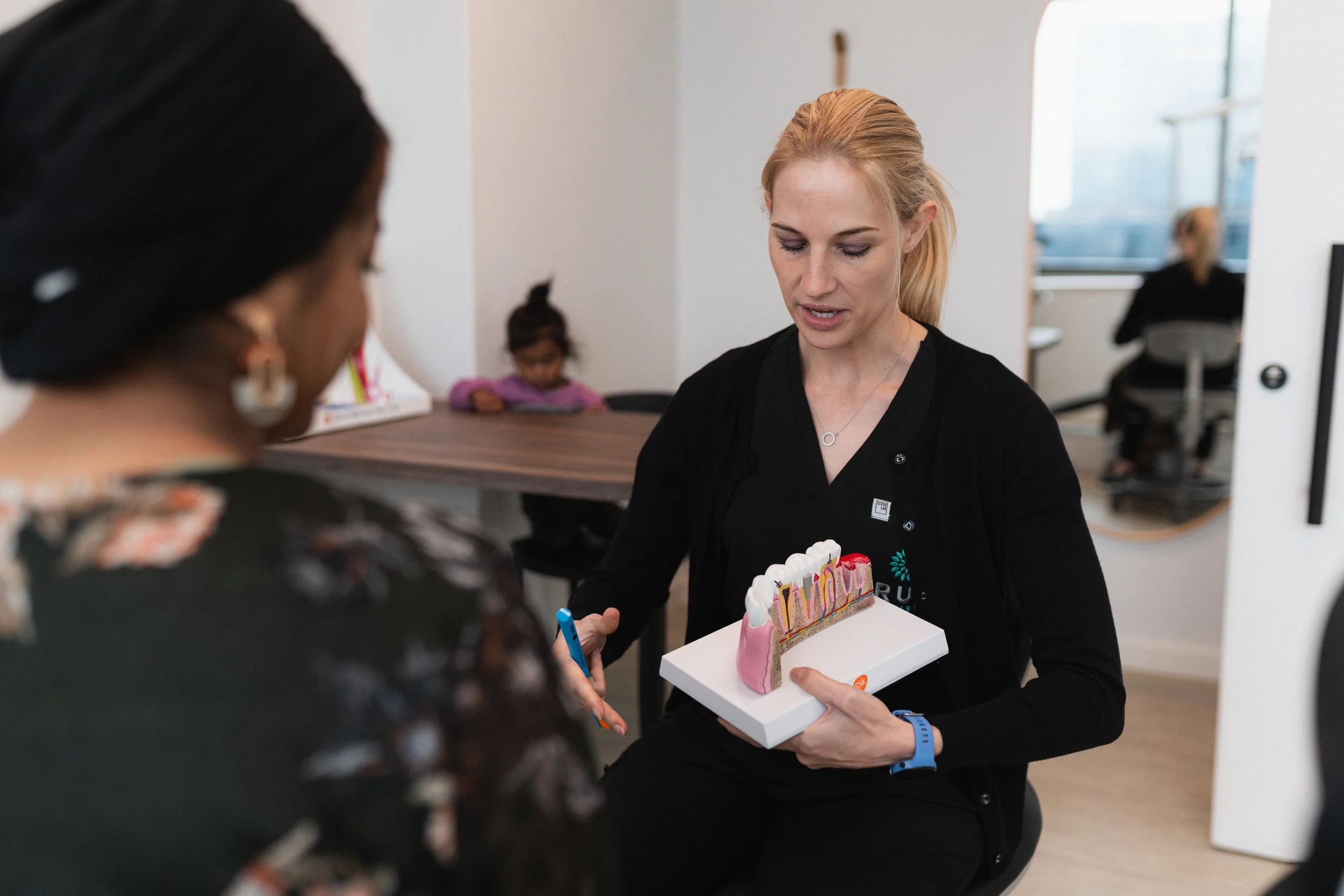
Your journey begins with a Comprehensive Oral Health Assessment (COHA), where we evaluate your oral health. This allows us to determine whether composite bonding is the right solution for you.

Step 2
Smile Design &
Treatment Planning
Using digital photography, scans, and smile design principles, we carefully plan your treatment to ensure the final result looks natural, balanced, and harmonious with your facial features.
Step 3
Composite Bonding or Printed Resin Veneers
Depending on your needs, we may use direct composite bonding or digitally designed printed resin veneers to restore and reshape your teeth. In many cases, treatment can be completed in a single visit with little to no drilling.

Step 4
Finishing
& Polishing
Every restoration is carefully refined and polished to blend seamlessly with your natural teeth, creating a smile that looks and feels natural.
Step 5
Protecting
Your Results
With good oral hygiene, regular maintenance, and routine dental reviews, composite restorations can provide years of functional and aesthetic benefit.
FAQ’s
-
Composite bonding is a minimally invasive dental treatment that uses tooth-coloured resin to repair, reshape, and restore teeth. It is commonly used to fix chips, cracks, wear, gaps, and cosmetic imperfections.
-
The cost of composite bonding in Cape Town depends on the number of teeth being treated and the complexity of the case. Following your consultation, we will provide a personalised treatment plan and quotation.
-
Composite bonding prices in South Africa vary depending on the treatment required. Factors such as tooth wear, smile design requirements, and the number of teeth involved all influence the final cost.
-
In most cases, composite bonding is more affordable than ceramic veneers. It also requires less tooth preparation, making it a popular option for patients seeking a conservative smile enhancement.
-
With good oral hygiene and regular dental care, composite bonding can last many years. Longevity depends on factors such as biting habits, tooth grinding, and overall oral health.
-
Yes. Composite bonding is one of the most common treatments for repairing chipped teeth and restoring their natural shape, appearance, and function.
-
Absolutely. Composite bonding is frequently used to rebuild teeth affected by wear, erosion, and grinding, helping restore lost tooth structure while preserving healthy enamel.
-
Composite bonding typically refers to adding resin to specific areas of a tooth, while composite veneers involve covering most or all of the front surface of the tooth to improve shape, colour, and symmetry.
-
No. Composite bonding is considered a minimally invasive treatment and often requires little to no removal of healthy tooth structure.
-
Yes. Composite bonding can be used to close small gaps between teeth and improve smile symmetry without the need for orthodontic treatment in some cases.
-
Yes. Composite bonding can form part of a complete smile makeover and is often combined with whitening, aligners, or other restorative treatments to achieve a natural-looking result.
-
Depending on your treatment plan, flexible payment options may be available. Our team can discuss the options available during your consultation.